Everything about the Rat Smoke Examination: A Proven Method for Identifying Rodent Infestations
The Rodent Smoke Test serves as an important diagnostic tool for identifying rodent infestations in buildings. By utilizing safe smoke, this technique exposes air flow patterns that can show potential access factors. Recognizing how the test operates and the advantages it supplies can greatly aid residential property proprietors. Nonetheless, the details of preparing for the examination and translating its results are necessary for efficient application. What important actions should one think about before performing this test?
What Is a Rat Smoke Test?
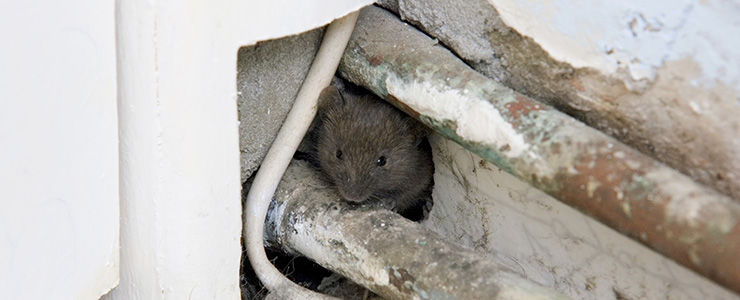
The test is especially efficient in structures where rodent invasions are presumed, as it discloses covert vulnerabilities that may or else go unnoticed. The smoke, which disperses easily, will run away via any type of openings, enabling specialists to pinpoint locations that need securing or fixings.
Inevitably, the rodent smoke examination works as a positive procedure in pest monitoring, assisting in the avoidance of future problems by making certain that buildings are appropriately secured versus unwanted wild animals. This strategy underscores the significance of keeping a safe and secure atmosphere to prevent rodents properly.
Just How the Rodent Smoke Test Works
The Rat Smoke Test includes certain prep work actions to assure exact outcomes. Understanding how to translate smoke patterns is necessary for recognizing possible rodent access factors. This process gives beneficial insights into rodent behavior and environment choices.
Test Prep Work Steps
Efficient prep work is crucial for the effective execution of the Rat Smoke Test. This process begins with a complete assessment of the properties to recognize potential access points for rodents. Confirming that all doors, vents, and home windows are firmly shut will prevent any unplanned retreat of smoke during the test. Next, the location should be free from any products that might block the circulation of smoke or hinder the results. The smoke-generating tool ought to be placed tactically to optimize protection of the examination area. Finally, it is necessary to notify passengers of the approaching test to guarantee their safety and security and convenience. Correct preparation sets the phase for precise results in identifying rodent problems.
Analyzing Smoke Patterns
When conducting the Rat Smoke Examination, translating the patterns of smoke is vital for determining hidden rodent paths. As the smoke is presented into possible entry points, it travels via any type of openings or gaps in the structure. Onlookers must note where the smoke disperses rapidly, showing a straight route favored by rodents. Conversely, locations where smoke lingers suggest that the pathway may be blocked or less frequently made use of. Additionally, the instructions of smoke motion can expose concealed nests or burrows. A comprehensive assessment of these patterns enables pest control specialists to identify important areas for intervention, guaranteeing an extra efficient obliteration method. This approach highlights the importance of comprehensive smoke analysis in spotting rodent task.
Benefits of Making Use Of the Rodent Smoke Test
The Rodent Smoke Examination offers considerable advantages in pest management. Its quick detection method enables for the quick identification of rodent infestations, assisting in timely interventions. Additionally, the non-invasive technique reduces disruption to the setting, making it a reliable option for home proprietors.
Quick Discovery Technique
Non-Invasive Strategy
Although lots of pest control methods can be disruptive and invasive, the Rodent Smoke Examination stands visit our website apart for its non-invasive nature. This method uses harmless smoke to recognize rodent pathways without the demand for considerable excavation or architectural changes. By presenting smoke right into possible entrance points, residential or commercial property owners can conveniently observe exactly how it takes a trip and where rats might be infiltrating. This technique reduces disturbance to the setting and existing structures, allowing for a quick analysis of the invasion. Additionally, the Rat Smoke Test is efficient in identifying issue areas, making it possible for targeted treatments. As a result, it not only conserves resources yet also minimizes the anxiety commonly related to more typical insect control approaches, making it an attractive alternative for several.
Determining Access Information and Nesting Areas
Determining entry points and nesting locations is crucial in properly managing rodent infestations. Rats are skilled at manipulating tiny openings, commonly as little as a quarter of an inch. Usual access factors include voids around pipelines, windows, and vents, in addition to cracks in foundations and walls. Inspecting these areas completely can reveal potential gain access to routes for rats.
Nesting areas can commonly be found in covert spaces such as attics, cellars, or wall surface spaces - Rodent Smoke Test. Signs of nesting include droppings, nibble marks, and shredded materials. Utilizing a systematic method, homeowner should conduct normal inspections, concentrating on both exterior and interior locations. Checking for signs of activity, such as footprints or fur, can also aid in identifying these essential places. By determining access factors and nesting areas, effective control measures can be implemented, protecting against more rodent attacks and protecting the building
Planning for a Rat Smoke Examination
Planning for a rodent smoke test calls for mindful preparation and focus to detail to ensure effective results. The area must be extensively checked to identify possible entrance points and nesting websites, making specific that all feasible places are covered during the test. Next, the atmosphere needs to be removed of any type of blockages or products that might hinder the smoke's diffusion. It is important to seal any kind of identified access factors briefly, using products such as tape or plastic to avoid outside air from watering down the smoke. Furthermore, the smoke source need to be carefully selected, making certain it is appropriate for interior usage and secure for the citizens. Lastly, it is suggested to inform any type of building occupants regarding the test timetable to decrease exposure to smoke and guarantee their safety and security. Complying with these actions will boost the effectiveness of the rodent smoke examination and supply clearer understandings right into potential problems.
Translating the Results of the Test
When the rodent smoke test has actually been performed, interpreting the outcomes becomes necessary browse around this site for recognizing the degree of any type of invasions. Rodent Smoke Test. Observers must closely examine the locations where the smoke has actually left, as this indicates possible entry factors for rodents. If the smoke disperses quickly through cracks, gaps, or openings, it symbolizes that these openings might be used by rodents for access
Furthermore, the visibility of smoke in particular areas can recommend nesting sites or paths regularly passed by rodents. Scent-laden residues or dark stains left can better confirm energetic infestations.
It is vital to distinguish in between considerable breaches and minor leaks. A minimal variety of smoke getaway factors may suggest separated rodent activity, while prevalent dispersal recommends a much more significant invasion. Comprehending these outcomes permits residential property proprietors to review the urgency of attending to the problem and helps guide subsequent activities for efficient rodent control.
Following Actions After Conducting the Test
After translating the outcomes of the rodent smoke test, homeowner should take decisive activity to attend to any recognized issues. If the test discloses pathways used by rats, instant actions must be employed to secure these entrance points. This might consist of fixing openings, mounting door sweeps, and reinforcing vents.

Next off, homeowner need to take into consideration seeking advice from insect control specialists to analyze the intensity of the infestation and develop a tailored elimination plan. Routine tracking and maintenance should comply with to stop future occurrences.
Additionally, it is important to eliminate possible food resources by securing waste and saving food properly. Homeowner may additionally intend to conduct further inspections to determine nesting websites or various other indications of rodent activity. By carrying out these steps, they can effectively mitigate the dangers associated with rodent problems, making sure a healthier living environment.
Regularly Asked Questions
Exactly how Typically Should I Conduct a Rat Smoke Examination?
The recommended frequency for conducting a rodent smoke test differs, yet typically, it ought to be done a minimum of twice a year or after any considerable architectural adjustments, guaranteeing continuous surveillance for prospective rodent problems.
Is the Smoke Used Dangerous to Humans or pets?
When used appropriately, the smoke utilized in the rodent examination is usually thought about non-toxic to pet dogs and human beings. People need to establish proper ventilation and seek advice from product standards to reduce any kind of prospective dangers.
Can I Conduct a Rodent Smoke Examination Myself?
Carrying out a rodent smoke test separately is feasible, however it calls for certain equipment and knowledge. Rodent Smoke Test. Appropriate safety precautions need to be followed to guarantee efficiency and decrease risks to health and wellness and residential property during the process
What Should I Do if I See Smoke Escaping?
If smoke gets away during the test, the person must instantly cease the treatment, identify the resource of the leakage, and evaluate prospective entrance factors for rodents. Consulting a specialist bug control solution is encouraged for resolution.
Are There Any Alternative Techniques to the Smoke Examination?
Yes, alternative methods to the smoke test include using infrared cams to spot heat trademarks, visual evaluations for droppings, and utilizing bait stations to keep track of rodent task. Each technique provides special benefits for recognizing invasions.
The Rat Smoke Examination offers as an important diagnostic device for finding rodent problems in buildings. When conducting the Rat Smoke Examination, interpreting the patterns of you could try this out smoke is vital for recognizing surprise rodent paths. A rapid and effective discovery method, the Rat Smoke Test uses considerable benefits for recognizing possible entry points in structures. When the rodent smoke test has been carried out, analyzing the outcomes comes to be important for recognizing the extent of any infestations. If smoke leaves during the examination, the individual must quickly cease the treatment, recognize the source of the leak, and assess potential entry points for rodents.